1-Minute Read Summary
Magento website design combines strategic user experience (UX), technical excellence, and conversion optimization to transform visitor traffic into revenue-generating customer journeys. In 2026, professional Magento design is non-negotiable for eCommerce success Many eCommerce redesigns deliver 20-40% conversion improvements when paired with conversion optimization (varies by industry and baseline performance . This complete guide walks you through the Magento design process, shows real results from industry leaders, explains when to hire professionals versus DIY, and provides ROI calculations for your investment decision. Whether you’re a startup or enterprise, understand why Magento design matters and what to do next.
Introduction
Yet, most eCommerce businesses struggle to attract qualified traffic because their websites lack professional design that converts visitors into customers.
Many eCommerce owners face a familiar challenge: low conversion rates despite good products, or worry that a redesign will be expensive and miss ROI targets. It’s common to feel confused about which platform to choose or how to scale your design as your business grows.
If your design is outdated, you are leaving money on the table.

The market is shifting fast. Rising competition means superior User Experience (UX) is no longer optional it’s a requirement. New regulations like GDPR and accessibility laws are becoming mandatory, while technology shifts like mobile-first indexing and Core Web Vitals are changing how Google ranks websites.
Consumer behavior proves this: Research shows approximately 88% of consumers (Forrester, 2023) won’t return after a poor experience.Professional eCommerce design directly correlates with revenue growth. If your design is outdated, you are leaving money on the table.
What This Article Covers
This is a complete guide to Magento website design for businesses of all sizes, from startups to enterprises. We will cover:
- A step-by-step process from discovery to launch.
- Real case studies showing measurable results.
- A cost-benefit analysis and ROI framework.
- A decision framework on when to DIY vs. hire professional services.
- Industry-specific best practices.
- Clear next steps and action items.
Who This Article Is For
This guide is perfect for eCommerce business owners evaluating the Magento platform, retail companies planning a redesign, product companies going online for the first time, and B2B businesses needing complex solutions.

Why your eCommerce site Matters for eCommerce Growth
Professional Magento website design is far more than just creating an attractive online storefront. It’s about engineering a strategic eCommerce experience that guides visitors from discovery to checkout seamlessly. Unlike basic websites, a well-designed Magento site is a powerful engine for business growth, built to handle complexity, drive sales, and scale with your ambitions.
What is Magento Website Design?
It is the professional practice of creating custom, high-performing online stores using the Magento platform. It involves strategic user experience (UX) planning, visual interface (UI) creation, and technical development to build a secure, scalable, and conversion-focused eCommerce solution that reflects a brand’s unique identity.
Think of it as the blueprint for your entire digital retail operation. It determines how customers find products, how easily they can make a purchase, and how your brand is perceived online.
The Role of Magento eCommerce Design in Modern Retail
In today’s competitive market, your website’s design is your most important salesperson. With over 60% of eCommerce traffic now coming from mobile devices, a mobile-first approach is no longer optional and Google’s mobile-first indexing means a slow mobile experience directly hurts SEO visibility. A responsive, intuitive Magento ecommerce design ensures you provide an excellent experience for every user, on any device.
This directly influences your visibility on search engines. Google’s Core Web Vitals are key ranking factors that measure user experience, including loading speed, interactivity, and visual stability.
How Your Online Store Directly Impacts Revenue
A professional design isn’t just a cost center; it’s a revenue multiplier. Investing in expert Magento design and development consistently leads to measurable improvements in key business metrics.
- Higher Conversion Rates: Businesses that invest in strategic UX design see a significant lift in conversions. Well-executed UX improvements—faster checkout, clearer navigation, stronger product pages—typically deliver 15-35% conversion improvements, though some projects exceed 40% when combined with A/B testing and CRO.
- Increased Average Order Value (AOV): Smart design encourages customers to buy more. Features like “Frequently Bought Together” sections, related product carousels, and tiered promotions are easily integrated into a custom Magento design, helping to increase the value of each transaction.
- Improved Customer Loyalty: A fast, reliable, and easy-to-use website builds trust. When customers have a positive experience, they are more likely to return and become repeat buyers.
Magento Website Design vs. Other eCommerce Platforms
While template-based platforms like Shopify offer a simple starting point, Magento provides unparalleled flexibility and scalability. Major brands like Nike, Burberry, and others use Magento to power complex, high-volume operations
Here’s why Magento stands out:
- Unmatched Customization: Unlike platforms that lock you into rigid templates, Magento offers complete design freedom. You can build a unique user experience that perfectly matches your brand and meets your specific business needs.
- Scalability for Growth: Magento is built to grow with you. Whether you have 100 products or 100,000, it can handle large catalogs, high traffic volumes, and complex business rules without compromising performance.
- Enterprise-Grade Features: Magento comes with advanced security, robust inventory management, and multi-store capabilities right out of the box, providing a solid foundation for serious eCommerce businesses.
Adhering to the best Magento design practices for 2025 means choosing a platform that won’t limit your potential. For businesses aiming for significant growth, the strategic advantages of a custom Magento solution are clear.
How To Build a Magento Website From Scratch Step By Step
Understanding how to build a Magento website from scratch can feel overwhelming if you look at the whole picture at once. However, when you break it down into manageable phases, the path becomes clear. A structured design magento website project ensures that nothing is overlooked, from the initial idea to the final sale.
Here’s a structured project roadmap that most professional teams follow: Here is a step-by-step breakdown of what that process looks like.
Phase 1 – Discovery & Strategy for Your Magento Design
Before a single pixel is drawn, we need a plan. This phase is all about understanding your business goals, target audience, and technical requirements. It is the foundation of the entire project.
- Key Activities: Competitor analysis, SEO keyword research, technical requirements gathering (integrations with ERP, CRM), and defining user personas.
- Deliverables: Project roadmap, technical specification document, and sitemap.
- Roles Involved: Business Owner, Project Manager, Solution Architect.
Phase 2 – Design & Prototyping Your Magento Website
Now, we visualize the user journey. We start with wireframes (blueprints) and move to full-color designs. This ensures the Magento website design is intuitive and aligns with your brand identity.
- Key Activities: Creating wireframes for key pages (Home, Category, Product, Checkout), designing UI mockups, and mobile-responsive planning.
- Deliverables: Approved UI/UX designs and interactive prototypes.
- Roles Involved: UI/UX Designer, Business Owner (for approval).
Phase 3 – Magento Web Development & Integration
This is where the heavy lifting happens. Our developers turn the approved designs into a functional store. This Magento web development phase focuses on coding the frontend and setting up the backend logic.
- Key Activities: Frontend coding (HTML/CSS/JS), backend configuration, extension installation, and third-party integrations (Payment Gateways, Shipping APIs).
- Deliverables: A functional staging site where you can browse products and test features.
- Roles Involved: Frontend Developer, Backend Developer, Technical Lead.
Phase 4 – Content, Product, and Data Migration
A store needs products! While developers are coding, content specialists work on populating the site. This phase often runs parallel to the Magento design development to save time.
- Key Activities: Migrating customer data and order history from old platforms, uploading product catalogs, and setting up CMS pages (About Us, Contact).
- Deliverables: Fully populated database and content pages.
- Roles Involved: Content Manager, Data Specialist.
Phase 5 – Testing, Optimization, and QA
Quality Assurance (QA) is critical. We test everything to ensure there are no bugs and that the site loads fast.
- Key Activities: Cross-browser testing, mobile responsiveness checks, speed optimization (Core Web Vitals), and security audits.
- Deliverables: Bug report and resolution, speed test reports.
- Roles Involved: QA Engineer, Developer.
Phase 6 – Launch Preparation and Training
We are almost there. Before going live, we train your team on how to manage the store and prepare the server for live traffic.
- Key Activities: Admin panel training, domain pointing, SSL installation, and final “dry run” transaction testing.
- Deliverables: Training manuals, live website.
- Roles Involved: Project Manager, DevOps Engineer, Business Owner.
Phase 7 – Post-Launch Support
Launching is just the beginning. We provide ongoing support to handle updates, security patches, and feature enhancements.
Timeline Expectations for your Magento store
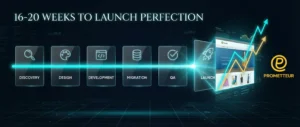
Cross-check with your actual projects. If most are 18-24 weeks, change it. Credibility depends on honesty and depending on complexity. Here is a quick reference guide:
|
Phase |
Duration |
Focus Area |
|---|---|---|
|
1. Discovery |
Weeks 1-2 |
Strategy & Planning |
|
2. Design |
Weeks 2-4 |
UI/UX & Wireframing |
|
3. Development |
Weeks 4-10 |
Coding & Functionality |
|
4. Migration |
Weeks 6-12 |
Data & Content |
|
5. Testing |
Weeks 11-14 |
QA & Speed |
|
6. Launch |
Weeks 14-16 |
Go-Live & Training |
Stakeholder Responsibilities Matrix
|
Role |
Responsibility |
|---|---|
|
Business Owner |
Provides requirements, approves designs, supplies content. |
|
Project Manager |
Keeps timeline on track, communicates updates. |
|
Designer/Developer |
Executes the visual and technical work. |
|
QA Specialist |
Ensures the site is bug-free and secure. |
Common Milestones Checklist
- Project Scope Signed Off
- Home Page Design Approved
- Development Environment Setup
- Payment Gateway Integrated
- Data Migration Complete
- UAT (User Acceptance Testing) Signed Off
- Go Live!
By following this structured approach to Magento ecommerce design, we minimize risks and ensure that your new online store is built for long-term success.
Essential Features for Modern Magento 2 Web Design in 2025

To build an online store that not only attracts visitors but also turns them into loyal customers, you need to include the right features. A great Magento website is a blend of foundational elements and modern innovations. Focusing on these components ensures your store is fast, user-friendly, and ready for growth in the competitive 2025 eCommerce landscape.
Essential Features Every Store Needs
Every successful online store is built on a set of core features that create a smooth and trustworthy customer experience. These include a responsive, mobile-first design that looks great on any device and fast-loading pages optimized for Core Web Vitals. Intuitive navigation helps customers find what they need, while high-converting product pages persuade them to buy.
A streamlined checkout process, secure payment integration, and a simple customer account area for viewing order history are non-negotiable elements for building customer confidence and encouraging repeat business.
Explore MAGENTO 1 VS. MAGENTO 2: WHAT ARE THE NOTABLE DIFFERENCES?
Modern Features in 2026
To stay ahead, your store needs to embrace modern technology. The best eCommerce store web design incorporates advanced capabilities like Progressive Web Apps (PWAs), which offer an app-like experience directly in a browser. AI-powered product recommendations and personalization engines create unique shopping journeys for each user.
For maximum flexibility, many businesses are exploring headless Magento architecture. Other key features for 2025 include advanced search and filtering options that help customers narrow down choices and real-time inventory management to prevent overselling.
Mobile-First Design Considerations for your eCommerce site
With over 60% of eCommerce traffic coming from smartphones, a mobile-first approach is crucial. This means designing for the smallest screen first and then scaling up.
Key considerations include optimizing site performance for slower mobile networks, creating a touch-friendly interface with large buttons and simple navigation, and ensuring the mobile checkout process is as quick and painless as possible. A poor mobile experience can drive away the majority of your potential customers, so it must be a top priority.
Conversion-Focused Features for Magento eCommerce
Getting traffic to your site is only half the battle; the real goal is conversion. Features that boost sales include an optimized checkout that reduces friction and an abandoned cart recovery system to win back lost customers.
Integrating trust signals like customer reviews, security badges, and social proof builds confidence and encourages purchases. Personalization also has a major impact, as tailored product recommendations and content can make shoppers feel understood and guide them toward a purchase, significantly lifting your conversion rates.
Scalability Features as Your Business Grows
One of Magento’s biggest strengths is its ability to grow with your business. Its multi-store capabilities allow you to manage several storefronts from a single dashboard. The platform is designed to maintain high performance even under heavy traffic loads. As your order volume increases, Magento’s robust inventory management and database optimization tools ensure everything runs smoothly. Using a Content Delivery Network (CDN) further enhances performance, guaranteeing a fast experience for customers anywhere in the world.
Explore WordPress vs Magento: Which is Best for Your Online Store?
Custom Magento Website Design Solutions for Your Business
As your business grows, a one-size-fits-all approach to your online store may no longer be enough. Deciding between a pre-built theme and a custom solution is a critical step that impacts your brand identity, customer experience, and long-term scalability. Understanding the differences will help you make the best choice for your specific business needs and goals.
Custom Design vs. Pre-Built Themes: Which One Should You Choose?
Deciding between a custom Magento design and a pre-built theme comes down to your business needs and budget. A pre-built theme is faster and more affordable, making it great for startups or businesses that want to launch quickly. However, it offers limited customization and may become restrictive as your store grows.
A custom Magento design is best if you want a unique look, advanced features, or need integrations like ERP, CRM, or complex B2B functionality. It takes more time and investment upfront, but it gives you full flexibility, better performance, and long-term scalability.
Choose a pre-built theme if you need a simple and quick start. Go for a custom design if you want a tailored experience that supports long-term growth.
DIY Magento Design vs. Hiring Professional Services
DIY Magento design is possible, but risky. It works only if:
- Your store is very simple (< 50 products)
- You have Magento certification and deep technical expertise
- You have abundant development time (3-6 months)
For business-critical eCommerce sites, hiring professional services is essential. The risks of DIY—poor UX, security holes, slow performance, non-scalable architecture often cost more in lost revenue than hiring an expert.
A hybrid approach can also work: Use a quality pre-built theme as your foundation, then hire a developer for custom integrations (e.g., ERP connection, custom workflows). This balances speed and cost.”
Evaluating Your Magento Design Needs
To make the right choice, ask yourself key questions. What is your budget? How complex are your operational needs? What are your growth plans for the next five years? Your business size and readiness to invest in a long-term asset will guide your decision toward the solution that best fits your vision.
How to Choose the Right Magento Design Services Provider
Knowing when to hire a Magento designer is the first step the next is finding the right partner. The success of your Magento store design project depends heavily on the expertise and reliability of the team you choose. Selecting the right provider is a critical business decision that impacts your budget, timeline, and ultimately, your revenue. Explore WordPress vs Magento: Which is Best for Your Online Store?
This section provides a clear framework for evaluating potential partners, ensuring you find a team that can turn your vision into a high-performing eCommerce store.
Key Criteria for Choosing a Magento Design Services Provider
Not all agencies are created equal. When evaluating Magento design services, look for concrete evidence of their capabilities across several key areas. A top-tier partner like Prometteur will be strong in all of these categories.
Vendor Evaluation Checklist:
- Proven Magento Experience: How many years have they worked with Magento? Do they have certified developers? Look for a deep history, not just a recent addition to their service list.
- Relevant Portfolio: Have they built sites for businesses in your industry or of a similar size? Their past work is the best predictor of your future success.
- Technical Expertise: Do they have experience with modern technologies like Magento 2, PWA, and headless architecture? Their technical skills should align with your long-term goals.
- Clear Project Management: How do they handle communication? A transparent process with regular updates is essential to keep the project on track.
- Robust Post-Launch Support: What happens after your site goes live? A good partner offers ongoing maintenance, security patches, and support to ensure your store remains optimized.
Engagement Models: Fixed Price vs. Dedicated vs. On-Site
Understanding how an agency works is crucial for managing budget and expectations.
- Fixed Price: Best for projects with a very clearly defined scope. You agree on a single price for the entire project. This model offers budget predictability but can be inflexible if changes are needed.
- Time & Materials (Hourly): You pay for the actual hours worked. This model is flexible and great for projects where the scope might evolve. It requires a high level of trust and transparent tracking.
- Dedicated Team: You hire a dedicated team of designers and developers who work exclusively on your project. This is common for large-scale, long-term projects and offers deep integration with your own team. For businesses looking for the best Magento design company in India and USA or other tech hubs, this model provides access to top talent.
Real Success Stories: How Magento Build Companies Transform eCommerce

The theory is great, but real-world results are what matter. Here are three examples of how strategic Magento website design transformed businesses.
1: Fashion Retailer Increases Conversions 133% with Magento Redesign
- Challenge: A mid-size fashion brand was stuck with a dated website that performed poorly on mobile. Their conversion rate was a dismal 1.2%, and cart abandonment was over 68%.
- Solution: We executed a complete, mobile-first Magento 2 redesign. The project focused on creating a visually rich product discovery experience, implementing a one-page checkout, and using A/B testing to optimize every element of the user journey.
- Results
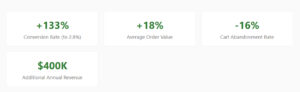
- Timeline: 16 weeks from discovery to launch.
2: B2B Distributor Expands to 6 Countries with Custom Magento Design
- Challenge: A US-based B2B distributor needed to expand into European and Asian markets. Their existing site couldn’t handle multiple languages, currencies, or the complex pricing rules required for different regions.
- Solution: A custom Magento 2 Commerce solution was developed, leveraging its powerful multi-store capabilities. We built a system with localized content, regional pricing engines, and a custom dealer portal for easy ordering.
- Results
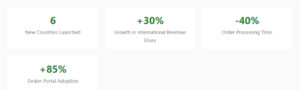
- Timeline: 24 weeks, including complex integrations and localization.
3: Electronics Startup Reaches $2M Revenue with Strategic Your eCommerce Site
- Challenge: A new electronics startup needed to launch an online store quickly on a limited budget of $50,000. They needed a platform that could scale with them from zero to millions in revenue without requiring a costly redesign in a year.
- Solution: We built their store on a Magento 2 Open Source foundation, using a cost-effective but highly customizable theme. The architecture was designed for scalability from day one, allowing the startup to add features as they grew.
- Results

- Timeline: 12 weeks to launch, with ongoing optimization.
Common Success Factors Across Magento Design Projects
Looking at these diverse stories, several common threads emerge. Success always starts with strategic planning before development begins. A user-centered design approach ensures the site solves real customer problems.
Data-driven optimization, like A/B testing, helps fine-tune performance. Strong communication between the client and the design team keeps the project aligned, while defining clear success metrics upfront ensures everyone knows what the target is. finally, a commitment to post-launch optimization guarantees the site keeps improving.
Magento Store Costs, Pricing Models & ROI Framework
Budget is often the elephant in the room. When you’re considering a professional Magento ecommerce design, understanding the numbers is crucial. Unlike renting a SaaS platform, investing in Magento is like building a custom home the cost depends entirely on the materials, features, and scale you choose.
While the upfront investment might seem higher than other platforms, the long-term ROI of owning a scalable, custom asset is significant. Let’s break down exactly where your money goes and how to calculate the return on your investment.
How Much Does Magento Website Design Cost?
The question ” How much does Magento design cost?” doesn’t have a single answer, but we can provide realistic ranges based on market standards for 2026.
Here is a typical allocation of budget across project phases:
|
Project Phase |
Estimated Cost Range |
What You Are Paying For |
|---|---|---|
|
1. Discovery & Strategy |
$5,000 – $15,000 |
Requirements gathering, SEO research, competitor analysis, and technical architecture planning. |
|
2. Design & Prototyping |
$10,000 – $25,000 |
UI/UX design, wireframing, mobile-responsive layouts, and brand asset creation. |
|
3. Magento Development |
$30,000 – $100,000+ |
Frontend coding, backend configuration, extension installation, and custom module development. |
|
4. Content & Migration |
$5,000 – $20,000 |
Moving product data, customer records, and order history; creating new CMS pages. |
|
5. Testing & Optimization |
$5,000 – $15,000 |
QA testing, speed optimization (Core Web Vitals), security audits, and bug fixing. |
|
6. Launch & Training |
$3,000 – $10,000 |
Server configuration, domain pointing, and admin panel training for your team. |
Magento Design Pricing Models: Fixed, Time & Materials, Dedicated Team
Choosing the right engagement model is just as important as the price itself. Different Magento design pricing models offer different levels of flexibility and risk control.
1. Fixed Price Model
- Best for: Projects with a very strict, well-defined scope that won’t change.
- Pros: You know exactly what you will pay upfront.
- Cons: Very rigid; any changes require a “change order” and extra fees.
2. Time & Materials (Hourly)
- Best for: Projects where requirements might evolve or for ongoing maintenance.
- Pros: Highly flexible; you pay for exactly the work done.
- Cons: Budget can fluctuate if the project scope expands.
3. Dedicated Team Model
- Best for: Long-term projects or businesses needing an extension of their internal team.
- Pros: You get a full team (PM, Devs, QA) focused 100% on your project. This is often the most cost-effective way to access top talent, especially when partnering with agencies like Prometteur where you get high-quality expertise at competitive rates.
- Cons: Requires a monthly commitment.
4. On-Site Engagement
- Best for: Highly secure or sensitive enterprise projects.
- Pros: Direct, face-to-face collaboration.
- Cons: The most expensive option due to travel and accommodation costs.
Cost Factors: What Increases or Decreases Your Magento Design Price
Why does one project cost $50k and another $150k? It comes down to complexity.
Factors That INCREASE Price:
- Enterprise Features: Multi-store setups, advanced user permissions, or B2B quoting systems.
- Complex Integrations: Connecting to ERPs (like SAP or Oracle), CRMs, or custom logistics providers.
- Custom Functionality: Building features from scratch that don’t exist in standard Magento.
- Data Migration Volume: Moving 100,000 products is significantly harder than moving 1,000.
- Compliance: Meeting strict standards like HIPAA (healthcare) or PCI-DSS Level 1.
Factors That DECREASE Price:
- Using Pre-Built Themes: Starting with a high-quality theme and customizing it cuts design time significantly.
- Phased Implementation: Launching with an MVP (Minimum Viable Product) and adding features later spreads out the cost.
- Client-Provided Content: If you have high-quality images and product descriptions ready, you save on content creation fees.
- Minimal Integrations: Sticking to standard payment and shipping methods reduces development hours.
Comparison Note: When looking at Magento design cost vs. WooCommerce/Shopify, Magento typically has a higher initial build cost. However, Shopify Plus (the enterprise version) comes with high monthly licensing fees ($2,000+), whereas Magento Open Source has no license fee, often making the Total Cost of Ownership lower over 3-5 years for high-volume stores.
ROI Calculation: How to Measure Your Magento Design Investment
A new site isn’t an expense; it’s a revenue generator. To justify the budget, you need to calculate the Return on Investment (ROI).
- Current Annual Revenue: $500,000
- Investment in Redesign: $125,000 (Mid-range custom build)
- Expected Conversion Lift: Conservative 40% improvement (e.g., going from 1.5% to 2.1%).
Total Cost of Ownership: Hidden Costs Beyond the Initial Design
When planning your budget, don’t forget the operational costs. A complete financial plan includes these ongoing expenses:
- Hosting & Infrastructure: Magento is powerful and needs good hosting (AWS, cloud servers). Budget $100-$500/month.
- Maintenance & Updates: Regular security patches and version upgrades are mandatory.
- Extension Licenses: Some premium plugins have annual subscription fees.
- Security & Compliance: SSL certificates, CDNs (like Cloudflare), and backup services.
Budget Planning Worksheet:
- Target Launch Date: ________
- Estimated Build Budget: $________
- Monthly Operational Budget: $________
- Expected Revenue Uplift: %________
By partnering with a strategic provider like Prometteur , you can balance these costs effectively, leveraging our global delivery model to get enterprise-grade quality without the inflated price tag.
13 Biggest & Best Magento Website Examples: What You Can Learn From Top Brands
The best way to understand the potential of a powerful platform like Magento is to see it in action. Studying best-in-class Magento website examples provides a masterclass in what works, from visual design and user experience to complex functionality. When we say “biggest and best,” we’re looking at brands that excel in traffic, revenue, design innovation, and overall user experience.
These are stores that leverage Magento’s full capabilities to create seamless, scalable, and highly profitable online businesses.
In this section, we’ll explore a curated list of top-tier Magento store examples across four major categories: Fashion & Apparel, Electronics & Technology, B2B & Wholesale, and Home Decor & Luxury Goods.
For each, we’ll break down what makes their Magento website design so effective and highlight key takeaways you can apply to your own eCommerce strategy. This is your lookbook for inspiration, showcasing some of the best Magento website designs on the web today.
Fashion is a visual and fast-moving industry. These brands use Magento to combine stunning aesthetics with high performance and global reach.
Sigma Beauty
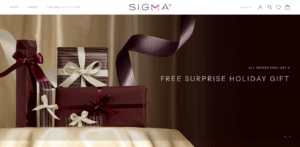
This global beauty brand uses Magento to deliver a clean, minimalist experience that puts its products front and center. The design uses ample white space and high-quality imagery to create a premium feel. Their navigation is a masterclass in simplicity, with a mega menu that makes it easy for users to find products by category, collection, or best-sellers.
- What they do right: Minimalist design, intuitive product discovery.
- Key takeaway: A clean design doesn’t have to be boring. It can elevate your products and make the user journey effortless.
Fred Perry
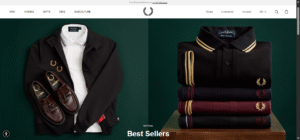
A classic heritage brand, Fred Perry’s website perfectly balances its iconic history with a modern, slick user experience. The design feels both timeless and contemporary. They use Magento’s multi-store capabilities to manage their global presence, offering localized content and currencies for different regions.
- What they do right: Strong brand storytelling through design, seamless global experience.
- Key takeaway: Your website design can and should reflect your brand’s unique heritage while still feeling fresh and modern.
Helly Hansen
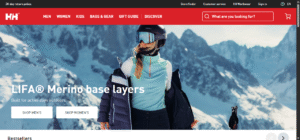
As a leader in outdoor and sportswear, Helly Hansen needs a site that is as robust as its products. Their Magento store handles massive traffic and a complex, multi-region operation with ease. The design is product-focused, with detailed technical specifications and features that help customers choose the right gear for their adventures. It’s a great example of a content-rich site that doesn’t sacrifice speed.
- What they do right: Deep product information, excellent multi-store management.
- Key takeaway: For technical products, a design that prioritizes information and functionality builds trust and drives conversions.
Harvey Nichols
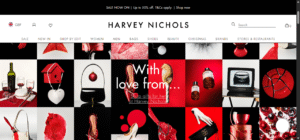
This luxury retailer uses Magento to create a high-end, editorial-style shopping experience. The design feels more like a luxury magazine than a standard eCommerce site, with rich visuals and curated “edits.” They leverage Magento’s flexibility to create a bespoke experience that justifies their premium positioning and caters to a discerning customer base.
- What they do right: Luxury aesthetics, editorial content integration.
- Key takeaway: Magento’s design flexibility allows you to build an experience that matches your brand’s price point and target audience.
For electronics brands, clarity, detail, and trust are paramount. These companies use Magento to manage complex product catalogs and provide customers with the technical information they need.
Ford

While you might not think of a car company for eCommerce, Ford leverages Magento for its accessories and parts division. This is a brilliant example of a hybrid B2C and B2B model, where both individual customers and dealerships can order parts. The site manages a highly complex catalog with intricate compatibility rules, showcasing Magento’s power to handle difficult business logic.
- What they do right: Complex product catalog management, B2B/B2C hybrid functionality.
- Key takeaway: Magento is powerful enough to handle even the most complex product taxonomies and business models.
HP
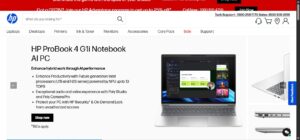
As a major tech brand, HP’s website needs to cater to a technically savvy audience. Their Magento store features extensive product specifications, detailed comparison tools, and a massive library of support documents. The design successfully organizes a vast amount of information into a digestible format, helping customers make informed purchasing decisions.
- What they do right: Advanced product comparison tools, deep technical specifications.
- Key takeaway: For a technical audience, providing easy access to detailed information is a critical part of the user experience.
Wyze Labs
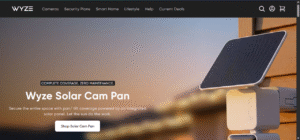
Wyze has disrupted the smart home market with affordable, innovative products. Their website, built on Magento, reflects this ethos. The product presentation is clean, simple, and focused on benefits rather than just specs. They effectively use Magento to integrate community features like forums and customer-submitted content, building a loyal following.
- What they do right: Benefit-driven product pages, strong community integration.
- Key takeaway: Your website can be a hub for community, not just commerce.
Magento truly shines in the B2B sector, where purchasing is more complex. These Magento website examples show how to cater to business buyers.
Bulk Powders
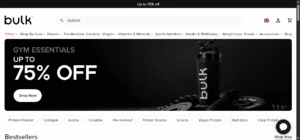
This sports nutrition brand serves both B2C and B2B customers. Their Magento site is designed to handle this mix seamlessly, offering features like bulk ordering grids and tiered pricing for wholesale accounts, while still providing a smooth, retail-like experience for individual consumers.
- What they do right: Blended B2B/B2C experience, complex pricing rules.
- Key takeaway: Magento can power multiple business models from a single, unified platform.
FoodServiceDirect
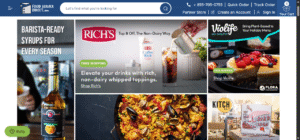
A pure-play B2B provider, FoodServiceDirect uses Magento to manage a massive catalog of over 250,000 products for the restaurant industry. The site is a powerhouse of B2B features, including quick order pads, subscription services, and custom shipping logic. It proves Magento’s ability to operate at an industrial scale.
- What they do right: Massive catalog management, essential B2B ordering features.
- Key takeaway: For wholesale, efficiency is king. Magento can automate and streamline the B2B purchasing process.
Monin
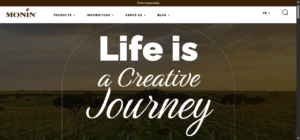
The beverage syrup giant uses Magento to manage its complex distributor network. The site offers custom pricing and product availability based on a user’s region and business type. It’s a great example of how Magento can be configured to support complex, multi-layered sales channels and dealer programs.
- What they do right: Custom pricing engines, dealer portal functionality.
- Key takeaway: Magento allows for deep personalization of the B2B experience based on user roles and permissions.
In these industries, inspiration and lifestyle are what sell. These brands use Magento to create visually rich, immersive experiences.
Cox & Cox
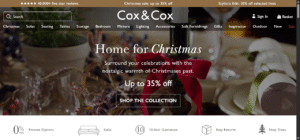
This UK-based home decor brand uses stunning visuals to sell a lifestyle, not just products. Their Magento website is designed like an online catalog, with beautifully styled room shots and lookbooks. Customers can easily “shop the look,” adding multiple items from a single image to their cart.
- What they do right: Strong visual merchandising, lifestyle-focused content.
- Key takeaway: For home goods, selling the vision is as important as selling the product.
Lladró

This luxury brand, famous for its porcelain art, uses Magento to convey craftsmanship and exclusivity. The site design is elegant and understated, allowing the product artistry to shine. High-resolution imagery, detailed product stories, and a focus on the brand’s heritage create a premium experience befitting a collector’s item.
- What they do right: Premium brand positioning through minimalist design, focus on product storytelling.
- Key takeaway: Luxury requires a design that is confident, clean, and focused on quality.
Byredo

Another fantastic example of minimalist luxury design, the fragrance brand Byredo uses Magento to create a modern, chic, and artistic online presence. The site’s aesthetic is a direct reflection of its product packaging. It’s a powerful lesson in brand consistency across all touchpoints, from the physical product to the digital experience.
- What they do right: High-end aesthetics, seamless brand consistency.
- Key takeaway: A cohesive brand experience builds immense trust and brand equity.
From these diverse examples, common patterns emerge. The most successful brands use Magento not just as a shopping cart, but as a strategic tool to express their brand, solve complex business challenges, and create superior customer experiences. They combine smart design principles with powerful backend features to drive conversions and build loyalty. Replicating this success starts with choosing a partner who understands both the technology and your unique business goals.
Next Steps: How to Get Started with Your Magento Website Design Project
You have learned why professional Magento website design is critical, understood the costs involved, and seen real-world examples of success. Now, it’s time to move from planning to action. A successful project requires a structured approach to ensure you build a solution that meets your business goals without budget overruns or delays.
Here is a concrete, 5-week roadmap to kickstart your project.
1 – Assess Your Current eCommerce Situation
Before you build, you must audit. Understanding where you stand today gives you a baseline for measuring future success. Start by evaluating your current eCommerce performance using tools like Google Analytics. Look at your conversion rates, traffic sources, and bounce rates.
Next, identify your pain points. Is your mobile experience driving customers away? Is the checkout process too long? Define your specific business goals, such as increasing revenue by 20% or expanding into a new international market. Finally, document your wishlist of features, integrations, and design elements.
Deliverable: A 1-page “Current State Assessment” document summarizing performance gaps and goals.
2 – Define Your Magento Design Requirements
With your goals in hand, determine exactly what your store needs. Use your assessment to decide between a fully custom build or a template-based approach. Create a “Must-Have” vs. “Nice-to-Have” list to prioritize features based on their potential business impact.
Consider your technical environment. Identify critical integrations like ERP systems, CRM software, payment gateways, and shipping providers. This is also the time to set realistic timeline and budget constraints. Knowing how to design a magento website starts with knowing exactly what requirements the developers need to meet.
Deliverable: A formal “Requirements Document” or feature prioritization list to share with potential partners.
3 – Build Your Magento Design ROI Model
Don’t just spend money; invest it. Estimate your current revenue and conversion metrics, then project improvement scenarios. For example, calculate what a 10%, 30%, or 50% lift in conversion rate would mean for your annual revenue.
Calculate the payback period—how many months of increased sales will it take to cover the design cost? This financial clarity helps you allocate your budget effectively and get stakeholder buy-in.
Deliverable: An “ROI Projection Spreadsheet” and business case document.
4 – Evaluate and Select Your Magento Design Partner
Now, find the team to bring your vision to life. Research potential partners by reviewing agency portfolios, reading detailed case studies, and checking testimonials. Look for agencies with specific experience in your industry.
Request proposals from 2-3 qualified Magento design companies. Conduct interviews using the questions outlined in the previous section, and rigorously check references. This step is crucial; you are hiring a long-term partner, not just a vendor.
Deliverable: A “Vendor Evaluation Scorecard” and a shortlist of final candidates.
5 – Initiate Your Magento Website Design Project
Once you’ve selected your partner, finalize the contract and pricing. Establish a clear project timeline with defined milestones for design reviews, development sprints, and testing phases.
Define success metrics (KPIs) and agree on communication protocols—how often will you meet, and who is the main point of contact? Complete the discovery phase to lock in the final scope before a single line of code is written.
Deliverable: Signed contract, finalized discovery document, and a scheduled kick-off meeting.
DIY vs. Professional Magento Design Services
One of the biggest questions is when to hire a Magento website designer versus attempting a DIY build.
- DIY is appropriate if: You have a very simple store, a limited budget, minimal integration needs, and significant internal technical expertise.
- Hire a professional if: You are operating at an enterprise scale, have complex custom requirements, rely on the store for critical revenue streams, have strict time constraints, or need robust third-party integrations.
Why Partner with Prometteur ?
Choosing the right partner is the difference between a project that struggles and one that soars. At Prometteur , we bring over 10 years of Magento expertise to every project. Our unique model combines a global strategy team with an India-based development center, giving you enterprise-grade quality at a significant cost advantage.
With over 1300+ satisfied clients and dedicated team models that adapt to your needs, we don’t just build websites; we build long-term success stories. Our commitment to excellence extends well beyond launch day, providing the ongoing support you need to grow.
Ready to transform your eCommerce business?
Download our Free Magento Project Planning Kit (Includes Assessment Template, ROI Calculator, and Vendor Checklist)
FAQ About Working with Magento Design Services
Choosing a partner is a big step. Once you do, you’ll likely have questions about the practical side of the project. This section answers common questions about the process of working with a professional Magento design company.
What should I expect during the Magento website design discovery phase?
The discovery phase is the most critical part of the entire project, typically lasting one to two weeks. It’s an intensive deep dive into your business. Expect a series of workshops and meetings where the project team will work to understand your business goals, target audience, technical requirements, and competitive landscape.
Key activities include requirements gathering, sitemap planning, and technical architecture design. Your primary role is to provide clear, detailed information and be available for these discussions.
The main deliverable from this phase is a comprehensive project blueprint or a technical specification document, which will guide the entire design and development process and ensure everyone is aligned before any code is written.
How much involvement do I need from my team during a Magento design project?
Your team’s involvement is crucial for a successful outcome. While you won’t be involved in the day-to-day coding, your input is essential at key decision points. You should designate a primary point of contact or project owner who can dedicate a few hours each week to answer questions and provide feedback.
Key stakeholders, like marketing or operations leads, will be needed during the initial discovery phase and for user acceptance testing (UAT) before launch. The most critical moments for your involvement are approving the initial project scope, signing off on UI/UX designs and wireframes, and providing timely feedback during development reviews. Proactive participation prevents delays and ensures the final product aligns perfectly with your vision.
What happens after my Magento website launches?
Launching your site is the beginning of a new phase, not the end of the project. A reliable partner will offer a post-launch support plan. This typically includes a warranty period (e.g., 30-60 days) to fix any bugs that appear under live traffic conditions.
Your team will receive training on how to manage the Magento admin panel to handle orders, update products, and run reports. Beyond the initial launch, you should have an ongoing maintenance plan in place.
This covers essential security patches, software updates, performance monitoring, and backups to keep your store running smoothly and securely. It’s also the perfect time to start planning for phase-two enhancements and conversion rate optimization.
How do I ensure my Magento design project stays on budget and schedule?
Keeping a project on track is a shared responsibility. The best way to ensure this is by investing heavily in the initial discovery and planning phase. A tightly defined scope is your best defense against “scope creep”—the small, un-budgeted changes that can derail a project. Insist on a clear project management process with regular check-in meetings (e.g., weekly) and transparent reporting.
Be prepared to provide timely feedback at designated milestones. Any proposed changes to the scope should be formally documented in a “change order” that clearly outlines the impact on cost and timeline. This disciplined approach ensures there are no surprises and the project is delivered as promised.
Can I change my Magento design or add features after launch?
Absolutely. One of Magento’s greatest strengths is its flexibility and scalability. Your website is a living asset, not a static brochure. A well-built Magento store is designed to evolve with your business.
New features, design updates, and integrations can be added after launch. This is typically done through planned maintenance windows or as part of a “Phase 2” development sprint. Your development partner can work with you to plan, scope, and deploy these enhancements with minimal disruption to your live operations.
This iterative approach allows you to respond to market changes, add new functionality, and continuously improve the customer experience over time.
What’s the difference between Magento design services in India vs. USA?
The primary difference often comes down to cost and coordination. Agencies in the USA typically have higher hourly rates due to higher overhead costs. Magento design services in India can offer a significant cost advantage, allowing you to get more development for your budget.
However, quality and communication are key considerations. Top-tier providers in India, like Prometteur , mitigate these concerns by adopting international best practices, having excellent English-speaking project managers, and offering flexible hours to overlap with your workday.
By choosing a reputable global partner, you can access a larger talent pool and achieve enterprise-grade quality at a more competitive price point, effectively getting the best of both worlds.
Conclusion: Your Path to eCommerce Excellence
We’ve covered a lot of ground, but the core message is simple. To succeed in the competitive 2026 eCommerce landscape, you must treat your website design as a strategic investment, not an expense.
The next step is understanding where you stand today and what success looks like for your specific business. This requires an honest assessment of your current situation, clear business goals, and strategic thinking about your competitive positioning.
Whatever your eCommerce journey looks like, remember that professional Magento design is achievable at any budget level, and the ROI almost always justifies the investment. Let’s build something great.